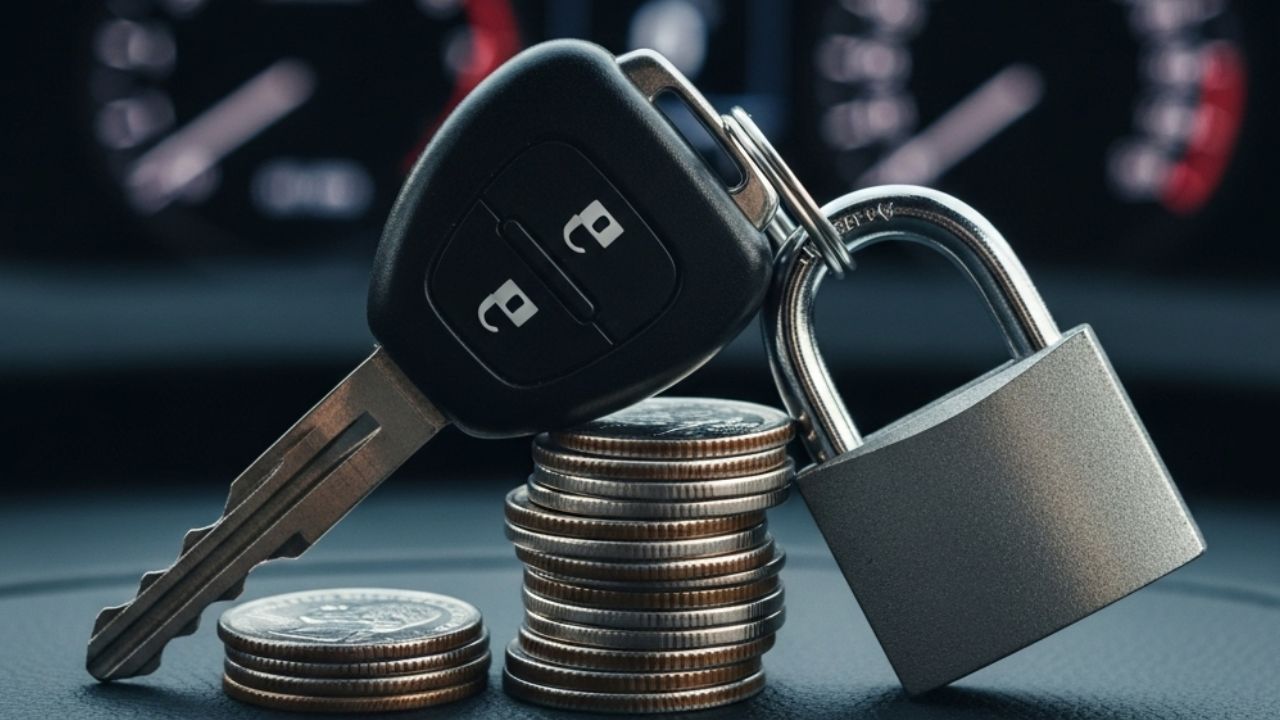
Buying a car is one of the biggest financial commitments most people make in their lives. Whether it’s your first car or an upgrade to something new and stylish, the excitement of owning a vehicle often overshadows the practical side of things—like understanding the risks that come with financing your car.
One such risk is what happens if your car is stolen or totaled before you’ve paid off the loan. In that situation, you might still owe thousands of dollars to your lender, even though you no longer have the vehicle. This is where car loan insurance—sometimes called gap insurance or loan protection insurance—can save you from a major financial headache.
In this article, we’ll explore everything you need to know about car loan insurance: what it is, how it works, who needs it, how much it costs, and the real pros and cons. By the end, you’ll know exactly whether it’s the right choice for you.
Understanding Car Loan Insurance
Car loan insurance is a type of coverage designed to protect car owners who have financed their vehicles through a loan or lease. It fills the “gap” between the amount your regular car insurance pays out and the amount you still owe on your auto loan if your car is totaled or stolen.
Let’s break that down with an example:
Imagine you bought a new car for $35,000. After a year of driving, due to depreciation, the car’s market value has dropped to $28,000. Now, suppose you still owe $32,000 on your loan, and unfortunately, your car gets totaled in an accident. Your comprehensive auto insurance will likely pay only the market value—$28,000—leaving you to pay the remaining $4,000 out of pocket.
With car loan insurance, that $4,000 difference would be covered. You wouldn’t have to dip into your savings or struggle to pay for a car you no longer own.
Read Also: Tata Motors Demerger 2025: Timeline, Record Date, Share Swap Ratio, Listing & Shareholder Impact
Why Cars Lose Value So Quickly
One of the main reasons car loan insurance exists is depreciation—the rate at which your car loses value over time. New cars depreciate the moment you drive them off the dealership lot.
Here’s a quick look at average depreciation rates:
- Year 1: 15–25% depreciation
- Year 2: 10–15% more
- Year 3 and beyond: About 10% each year
That means a new car worth $35,000 could be worth only $25,000 or less in just a couple of years. If you financed most of that amount with a small down payment and a long-term loan, there’s a good chance you owe more than the car is worth for quite a while. That’s when car loan insurance becomes invaluable.
Types of Car Loan Insurance
While people often use “car loan insurance” as a catch-all term, there are actually two primary types of coverage to understand:
1. Gap Insurance (Guaranteed Asset Protection)
Gap insurance is the most common form of car loan insurance. It pays the difference between your car’s actual cash value (ACV) and the amount you owe on your loan or lease after a total loss.
It’s especially beneficial if:
- You made a low down payment (under 20%)
- You’re on a long-term loan (60 months or more)
- You’re leasing a car
- Your car’s value depreciates quickly
Gap insurance usually doesn’t cover late fees, missed payments, or extended warranties—but it can keep you financially secure if you face a total loss.
2. Loan Protection Insurance
Loan protection insurance, on the other hand, is designed to help you keep up with your loan payments if life throws you a curveball.
Depending on the policy, it can cover your monthly car loan payments if you:
- Lose your job
- Become disabled
- Suffer a critical illness
- Pass away (helping your family avoid the financial burden)
While gap insurance protects you from owing money on a totaled car, loan protection insurance shields your finances during hard times.
How Much Does Car Loan Insurance Cost?
The cost of car loan insurance varies based on factors like your vehicle’s value, your loan balance, and the provider you choose. However, here are some general estimates:
- Through a dealership: $400–$800 (as a one-time payment)
- Through your insurance company: $20–$40 per year added to your premium
- Through a lender or bank: Usually rolled into the loan, increasing total interest
Getting it from your regular insurer is often the most affordable and transparent option. Always compare prices before signing up at the dealership, as dealer-sold insurance can sometimes be overpriced.
Do You Really Need Car Loan Insurance?
Not everyone needs car loan insurance, but for many drivers, it’s a smart safeguard. Ask yourself the following questions:
- Did you make a small down payment?
If you paid less than 20% upfront, your loan balance will likely exceed your car’s market value for a while. - Is your loan term long (5 years or more)?
Longer loans take longer to pay down, leaving you “upside down” longer too. - Do you drive a new or luxury car?
High-end vehicles depreciate quickly, meaning the gap can be large early on. - Would a financial loss hurt your budget?
If paying thousands out of pocket would be difficult, car loan insurance provides peace of mind.
If you answered “yes” to one or more of these questions, car loan insurance is worth serious consideration.
Pros and Cons of Car Loan Insurance
Like any insurance product, car loan insurance has its benefits and drawbacks.
✅ Pros
- Financial protection: Covers the difference between your loan balance and insurance payout.
- Peace of mind: You won’t owe money on a car you no longer have.
- Affordable: Usually inexpensive, especially if purchased through your insurer.
- Helps with job loss or disability (loan protection): Keeps payments manageable during hardship.
❌ Cons
- Not always needed: If your loan balance is lower than your car’s value, you may not need it.
- Limited coverage: It doesn’t cover things like late fees, warranties, or new car replacements.
- Dealer markups: Buying through a dealership can be costly compared to insurance companies.
- Time-limited: Coverage usually ends once your loan balance drops below the car’s value.
Understanding both sides will help you make an informed decision without overpaying for unnecessary protection.
How to Get Car Loan Insurance
You have a few ways to purchase car loan insurance, each with its own pros and cons.
- Through Your Auto Insurance Provider:
The easiest and usually cheapest option. You can add gap insurance to your existing policy with just a phone call. - Through Your Car Dealer:
Convenient if you want to include it in your loan, but often more expensive due to dealer markups. - Through Your Bank or Lender:
Some lenders offer their own gap or loan protection plans. Compare their coverage and cost before agreeing.
Tip: Always read the fine print. Understand exactly what’s covered, the duration of coverage, and whether it ends automatically once your loan balance drops.
What Car Loan Insurance Doesn’t Cover
It’s just as important to know what isn’t covered by car loan insurance as what is. Typically, it won’t pay for:
- Deductibles from your standard insurance policy
- Missed or late loan payments
- Extended warranties, service contracts, or add-ons
- Negative equity from a trade-in
- Vehicle repairs or maintenance
It’s designed to cover the gap—nothing more, nothing less.
Tips for Choosing the Right Policy
If you’ve decided car loan insurance is right for you, here’s how to get the best deal:
- Shop Around: Compare quotes from your current auto insurer, your lender, and independent providers.
- Bundle Policies: If possible, bundle with your auto or home insurance for a discount.
- Check Your Loan-to-Value Ratio (LTV): If your LTV is high (over 100%), you’re at higher risk and should prioritize coverage.
- Review Coverage Limits: Make sure the policy covers your entire loan balance, not just part of it.
- Avoid Overlaps: Check if you already have similar protection through your lease or auto policy.
Common Myths About Car Loan Insurance
Let’s clear up some confusion.
- Myth #1: It’s mandatory.
False. Car loan insurance is optional, though some lenders may strongly recommend it. - Myth #2: It’s only for new cars.
Not true. It can also be valuable for used cars with financed loans. - Myth #3: It’s too expensive.
Usually false—especially if you get it through your insurance provider. - Myth #4: My regular insurance covers everything.
Standard car insurance covers the value of your car, not what you owe. That’s a critical difference.
Real-Life Example: Why It Matters
Consider Sarah, who financed her new SUV for $40,000 with a small $2,000 down payment. Two years later, she was involved in an accident, and her SUV was declared a total loss. Her insurance company paid the market value of $30,000—but her loan balance was still $35,500.
Because Sarah had purchased gap insurance, the remaining $5,500 was covered. Without it, she would have had to pay that amount out of pocket—on top of buying a replacement car.
That’s the real value of car loan insurance: it protects you from paying for something you no longer have.
Final Thoughts
Car loan insurance might not be the most exciting topic, but it’s one of those smart financial decisions that can save you from massive stress down the road.
If you financed your vehicle with a small down payment, chose a long-term loan, or bought a new or high-depreciation car, this coverage can be a lifesaver. It’s affordable, practical, and offers real peace of mind.
At the end of the day, it’s not just about protecting your car—it’s about protecting your wallet, your credit, and your future.
Before driving off in your new car, take a few minutes to explore your car loan insurance options. That small step today could save you thousands tomorrow.
you’ve a fantastic weblog right here! would you prefer to make some invite posts on my blog?
Оптимизированный vps под хрумер https://www.olx.ua/d/uk/obyavlenie/progon-hrumerom-dr-50-po-ahrefs-uvelichu-reyting-domena-IDXnHrG.html значительно ускоряет процесс работы и снижает нагрузку на сервер.